9 Underrated Marketing Platforms Your Competitors Ignore in 2026

When every competitor advertises on the same platforms, costs rise and attention thins. These nine channels have engaged audiences and far less competition, the definition of a marketing goldmine.
1. Nextdoor
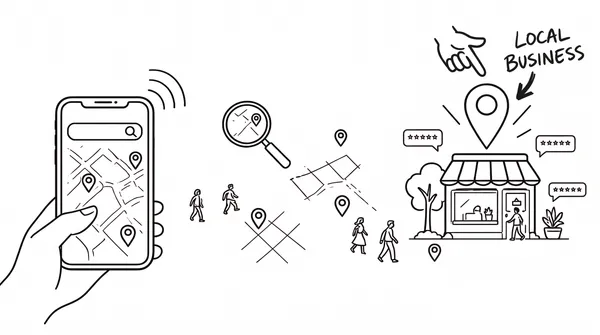
With over 100 million verified neighbors, Nextdoor is where local recommendations happen daily. Most local businesses never claim their free page, so the recommendations go to whoever shows up.
2. WhatsApp Business
Business messages on WhatsApp see 95-98% open rates, versus around 20% for email. For repeat customers and markets across Asia, Latin America, the Middle East and Africa, it is unmatched.
3. Pinterest
Users are in planning-and-buying mode, and pins keep sending traffic for months. Especially strong for home, food, fashion, beauty, weddings, and anything visual.
4. Reddit and niche forums
High-intent enthusiasts asking for recommendations. Ads get ignored, but genuine participation converts, and almost no competitor invests the trust.
5. Quora
People typing the exact questions your business answers. A good answer ranks in Google for years.
6. Discord communities
Over half of Discord activity is now in non-gaming communities. Niche servers for fitness, skincare, trading, and design are full of engaged buyers with no algorithm in between.
7. Telegram channels
No feed algorithm, every subscriber gets your post as a notification, unlike the roughly 5% organic reach on Instagram.
8. Threads
Still early, with strong organic reach and engagement well above older text platforms. Personal accounts reach far more than brand pages.
9. Podcast guesting
Being a guest on niche shows borrows an established, trusting audience. For founders and experts, one good episode can outperform months of ads.
You do not need all nine. Pick the one or two where your specific customers gather and go deep.
Which of the nine fits which business
Nine platforms is too many to try. The fastest way to narrow the list is to ask where your buyers already gather, and whether you can show up there as a person rather than as an advertiser. Start with who your customers are, which the guide to finding your target audience explains. This table is a starting point, not a rule:
| If your customers are... | Try first | Why |
|---|---|---|
| Local households and homeowners | Nextdoor | Neighbours ask for recommendations by name, and a verified local presence is the point |
| Repeat or existing customers who message you | WhatsApp Business | Direct, personal and high attention, especially where messaging is the default |
| Planners and visual shoppers (home, wedding, food, fashion) | People save ideas before they buy, and pins keep circulating | |
| Enthusiasts and researchers | Reddit and niche forums | People ask for honest recommendations and reward genuine help |
| People with a specific question to solve | Quora | Good answers can keep ranking in search long after you write them |
| A defined community around a hobby or skill | Discord | A direct line to engaged members with no feed algorithm in between |
| Followers who want updates and deals | Telegram channels | Every post is delivered as a notification to subscribers |
| An audience that follows people more than brands | Threads | Personal accounts tend to get more reach than company pages |
| Professionals who listen to niche shows | Podcast guesting | You borrow an audience that already trusts the host |
How to test a new platform without wasting a month
A new platform needs a fair test, not a half-hearted one. Run this four-week experiment for any channel you want to evaluate, and write down the result before you decide:
- 1.Week 1: set up properly. Complete the profile, say clearly who you help, and look at what the best accounts in your niche post. Decide what a win looks like, for example 10 genuine conversations or 5 enquiries.
- 2.Week 2: contribute before you promote. Answer questions, share useful tips, comment thoughtfully. Do not pitch yet.
- 3.Week 3: make one clear, helpful offer to the people you have been talking to, such as a free guide, a trial or a quote.
- 4.Week 4: count. How many conversations, enquiries and customers came from the platform, and how many hours did it take? Keep it if the hours produced results at a reasonable rate. Drop it if not. The free marketing guide shows a simple way to track it.
Starting points for each platform
Nextdoor and local networks
Claim your free business page, add your service area and real photos, and ask three happy neighbours to recommend you. Reply helpfully when someone asks for a recommendation in your category, and keep your replies specific to the question. The Google Business Profile guide covers the main local listing to set up alongside it.
WhatsApp Business
Set up a business profile with your hours and a short greeting, and use labels to organise customers. Only message people who have chosen to hear from you, and keep messages short and useful: appointment reminders, order updates and the occasional offer.
Treat it like a visual search engine. Create boards around the problems and ideas your customers search for, use clear vertical images with descriptive titles, and link each pin to a page that fully matches it. Results build slowly, so judge it over months rather than days.
Reddit, Quora and niche forums
Read the community rules first, because many ban self-promotion. Spend a couple of weeks being useful: answer questions fully, link to a source rather than your own site, and let your profile tell people what you do. One honest, detailed answer will do more than a dozen promotional posts.
Discord and Telegram
Join communities in your niche as a member before you create your own. If you start a server or channel, give people a clear reason to stay, such as a weekly tip, early access or a place to ask you questions directly, and moderate it so it stays useful.
Threads
Post as yourself, not as a logo. Short, honest observations from your work, answers to common questions and behind-the-scenes updates fit the format. Reply to others in your field, since conversation tends to travel further than broadcast.
Podcast guesting
Find shows your customers actually listen to, listen to a few episodes, then pitch with a specific topic that would help that audience. Offer a clear takeaway, a way to reach you, and a lead magnet that listeners can use right away.
A realistic weekly routine for one new channel
You do not need hours a day. For example, three focused hours a week is enough to test one community-style platform properly:
- ·Monday, 30 minutes: read and reply. Find the questions people are asking this week and answer two or three in full.
- ·Wednesday, 60 minutes: create one useful piece, such as a pin, a short guide or a thread, and publish it.
- ·Friday, 30 minutes: follow up on conversations and send anyone who asked a clear next step.
- ·Weekend, 30 minutes: write down what happened, including conversations, enquiries and anything you learned about what the audience wants.
A routine this small is easy to keep, and consistency is what these channels reward.
Common mistakes with unfamiliar platforms
- ·Treating a new platform like Facebook and posting the same promotional content. Each community has its own norms.
- ·Spreading across several at once. One fair test beats three rushed ones.
- ·Measuring too early. Community and search-style platforms reward patience.
- ·Ignoring the rules. Getting banned from a forum for self-promotion costs you the whole channel.
- ·Forgetting to send people somewhere. Every platform needs a clear next step, such as a page, an email sign-up or a booking link.
Frequently asked questions
Are these platforms better than Facebook and Google ads?
They are different, not better. Facebook and Google reach the most people but are crowded and costlier. These channels reward time and genuine participation and face less competition. Most businesses do best combining one mainstream channel with one or two of these. See Facebook ads versus Google ads for the mainstream choice.
How many platforms should I try?
One or two at a time. Each needs consistent attention to work, and a thin presence on many platforms produces little on any of them.
How do I know a platform is working?
Decide the signal in advance, such as conversations, enquiries or sign-ups, and ask new customers where they found you. If the platform produces results for the hours you spend, keep it. The free marketing guide covers how to track free channels.
Do I need a budget to use these?
Not to start. Most are free to join and use. Where paid options exist, test the free route first, and set any ad budget using the marketing budget calculator.
Find the hidden platforms for your business
The free tool shows which of these fit your exact business and variant, filtered so it never repeats the channels you are already using, with a step-by-step start for each.
Get a marketing plan for your business
Channels, budget math, audience, and hidden platforms, matched to your exact business and country. Free, no signup.
Build my free strategyRelated business guides